
The 220 MHz band, also known as the 1.25-meter band, offers an appealing spectrum range for radio amateurs to explore. With its unique propagation characteristics and availability of equipment, this frequency band presents exciting opportunities for communication enthusiasts. In this article, we will discuss the basics of the 220 MHz band and provide insights into getting started with amateur radio operation in this frequency range.
As mentioned earlier, the 220 MHz band, measured at 125 centimeters or 1.25 meters, is of particular interest to radio amateurs. This frequency range falls between the familiar 2-meter band (144 MHz) and the 70-centimeter band (440 MHz). While it may not be as widely utilized as its neighboring bands, the 220 MHz band has its own unique advantages.

The 220 MHz band offers several benefits for radio amateurs. One advantage is the relatively lesser congestion compared to the more popular bands. With fewer operators and lower overall activity, there is typically less interference, providing a clearer and more reliable signal quality. Additionally, the wavelength characteristics of this band offer better penetration through obstacles like buildings and vegetation, making it suitable for communication over short to medium distances.
Before engaging in amateur radio operations within the 220 MHz band, it is crucial to understand the corresponding regulations set by the Federal Communications Commission (FCC). Familiarize yourself with the guidelines regarding power limits, modulation types, bandwidth restrictions, licensing requirements, and other rules that govern the usage of this frequency range. The ARRL website provides valuable resources and information for amateurs seeking guidance on FCC regulations.
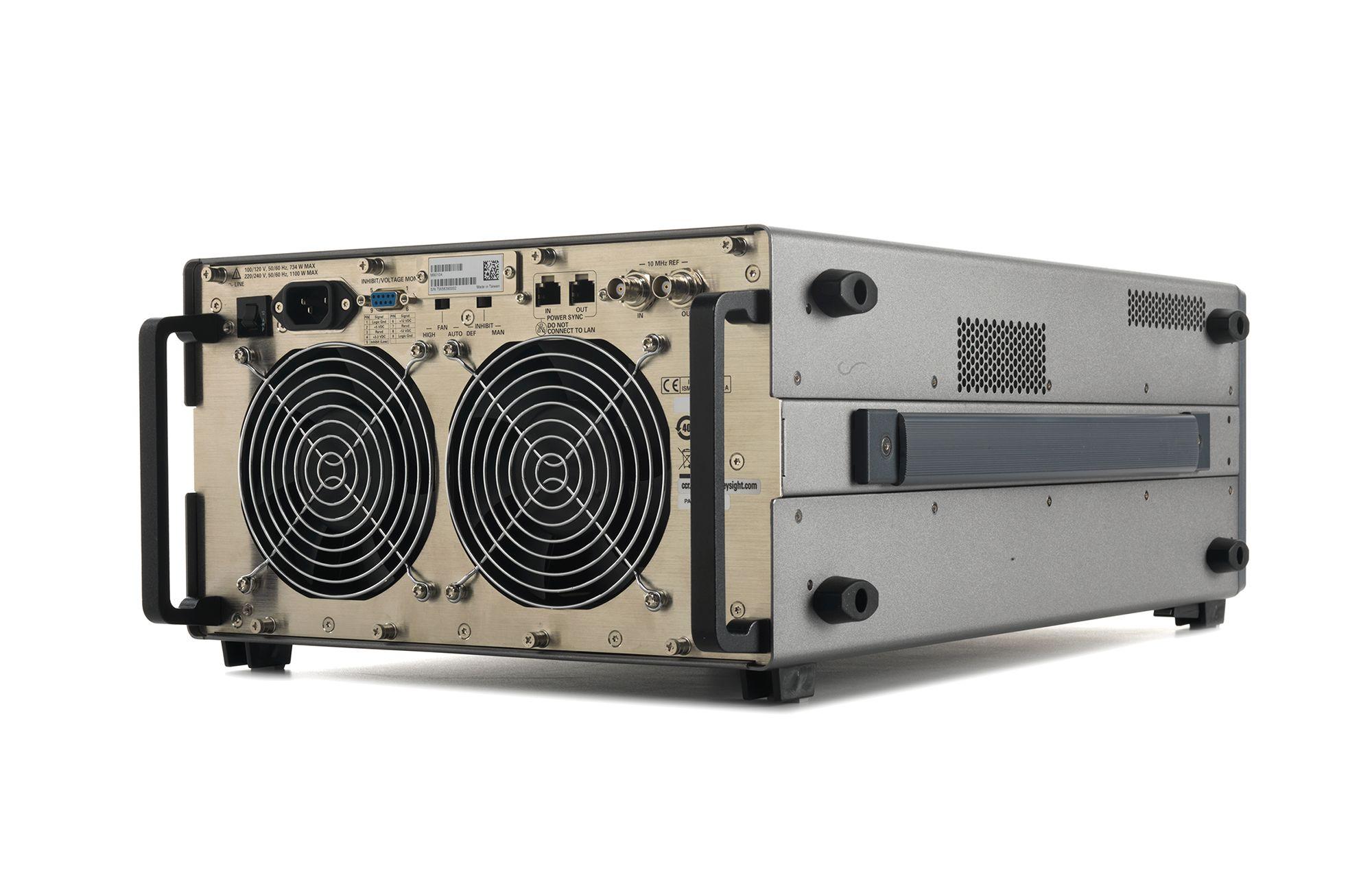
To start enjoying the 220 MHz band, you'll need suitable equipment and access to dedicated repeaters. Repeater networks, such as the St. Lawrence Valley Repeater Council, play an essential role in extending the range and coverage of your 220 MHz communication. They facilitate communication over larger distances, acting as relay stations, and can be invaluable resources for connecting with fellow radio enthusiasts.
When operating on the 220 MHz band, you will need radios capable of transmitting and receiving signals within this frequency range. Fortunately, various manufacturers offer equipment specifically designed for this band, including handheld transceivers and mobile radios. Along with your radio, invest in high-quality antennas that are tuned to the 220 MHz frequency range for optimal performance.
Being part of the amateur radio community is not just about operating your equipment; it is also about connecting with fellow enthusiasts, sharing knowledge, and participating in activities. Join local radio clubs, attend meetups, and engage in online forums to expand your knowledge, gain practical insights, and foster relationships with experienced amateurs who can guide you in your 220 MHz band journey.
After a thrilling day exploring the wonders of the 220 MHz band, unwind and relax in the comfort of a hotel. Whether you prefer luxurious accommodations or budget-friendly options, hotels provide a convenient and comfortable stay for travelers. While the world of amateur radio allows you to indulge in your passion for communication, hotels offer a welcoming retreat where you can recharge and plan your next radio adventure.